Arts & Media
Local Artists Launch Multimedia Exhibit Exploring Coastal Identity
A collective of Nova Scotia artists has opened a multimedia exhibition highlighting themes of shoreline heritage, environmental change, and regional identity, combining visual art, sound design, and interactive installations for visitors.
By Harper Lane • November 14, 2025
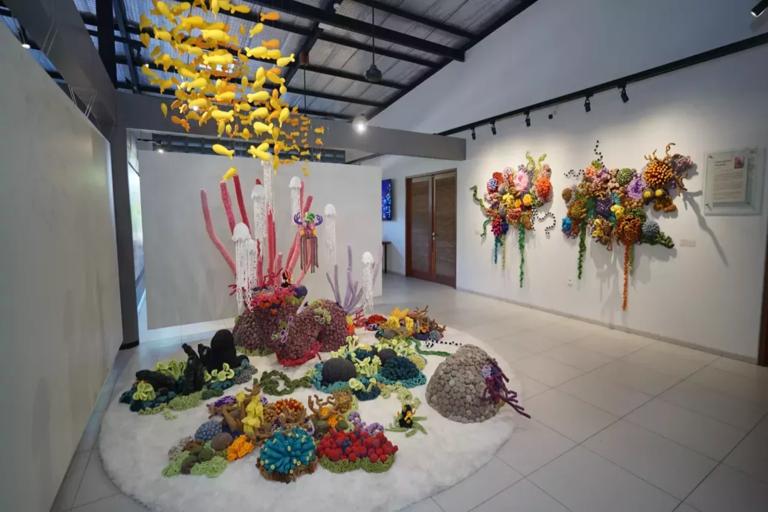
A new multimedia exhibit exploring coastal identity has opened in Halifax, bringing together a diverse group of artists who draw inspiration from Nova Scotia’s shorelines. The installation features layered projections, textured sculptures, and ambient soundscapes that mimic the rhythms of tide and wind. Visitors say the exhibit offers an unusually immersive experience, transforming familiar maritime themes into something contemplative and contemporary.
Participating artists spent months documenting local coastlines, gathering field recordings and photographing erosion patterns to incorporate into their work. These real‑world details add emotional and scientific depth to the exhibit, grounding its abstract pieces in lived experience. Curators explain that the project aims to blend artistry and environmental observation, creating a dialogue between natural forces and human interpretation.
One of the central installations uses motion‑sensitive lighting to simulate the shifting glow of the Atlantic at dusk. As visitors move through the space, the colors respond subtly, encouraging them to reflect on the ways coastal landscapes change with weather, season, and time. The piece has drawn particular praise for its ability to evoke memory through sensory detail.
Another section of the exhibit delves into personal narratives tied to the shoreline. Audio stations feature recorded interviews with community members who discuss fishing traditions, migration stories, and their connection to the sea. Artists say these oral histories helped shape several of the installation’s visual elements, reminding viewers that identity along the coast is shaped by both environment and heritage.
A collaborative mural created by a group of emerging Nova Scotian artists takes center stage in one gallery room. Its sweeping brushstrokes replicate the motion of water as it pulls across sand and stone, while embedded mixed‑media textures represent debris left behind by storms. The mural bridges traditional painting with modern environmental commentary, raising questions about coastal resilience.
Digital artists contributed a series of short film loops that explore the quieter moments of shoreline life. Slow‑motion imagery of receding waves, floating kelp, and seabirds gliding across the horizon plays continuously on suspended screens. These minimalist videos serve as visual pauses between larger installations, inviting visitors to linger and absorb the subtle rhythms of maritime environments.
Curators emphasize that one of the exhibit’s goals is to reframe how audiences understand the evolving coastline, particularly as climate change reshapes the region. Several pieces highlight erosion, sea‑level rise, and shifting habitats, pairing creative expression with ecological awareness. The result is an exhibit that blends introspection with urgency, urging viewers to consider their own role in environmental stewardship.
Community involvement played a significant role in shaping the exhibit’s final form. Local volunteers helped gather materials from nearby beaches, including driftwood, shells, and weathered rope used in several sculptures. Organizers say these contributions helped ground the project in a sense of shared ownership, reflecting how the coast influences daily life across Nova Scotia.
Public response to the exhibit has exceeded expectations, with opening‑week attendance surpassing previous installations at the venue. Visitors describe the space as both soothing and thought‑provoking, noting that its mix of art and environmental storytelling resonates with a wide audience. Several guests remarked that the exhibit challenged them to reconsider how the coastline shapes community identity.
Looking ahead, the curatorial team hopes to adapt the exhibit into a traveling program that can reach smaller coastal towns throughout Atlantic Canada. Plans include developing portable versions of select installations and collaborating with local arts organizations to host community workshops. The team believes that bringing the exhibit to rural areas will further strengthen regional conversations about coastline heritage and ecological change.