Science & Discovery
New Study Highlights Microplastic Levels Increasing in Nova Scotia Bays
A collaborative research effort among local universities has uncovered rising microplastic concentrations in several Nova Scotian bays, raising concerns about ecosystem health and the potential long-term consequences for marine life in the region.
By Dylan Mercer • November 2, 2025
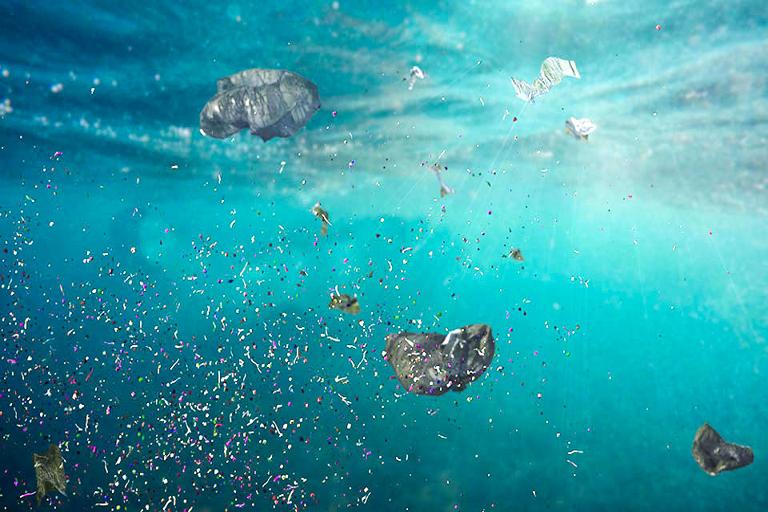
A multi‑university research initiative in Nova Scotia has revealed a concerning rise in microplastic concentrations across several coastal bays. During recent field expeditions, scientists collected water samples at varying depths and discovered plastic fragments in locations previously considered low‑risk. The findings suggest that microplastics are spreading farther and faster than early models predicted, prompting renewed urgency among environmental research groups.
Teams conducting shoreline assessments have also detected microplastics embedded within sediment layers, indicating long‑term accumulation rather than short-lived contamination. These particles, many of which originate from deteriorating consumer products, fishing gear, and storm‑driven debris, are increasingly difficult to filter out. Researchers warn that this trapped pollution may slowly release chemicals back into the ecosystem, affecting organisms that depend on coastal habitats.
Laboratory analysis has revealed notable differences in microplastic density between heavily trafficked bays and quieter inlets, offering clues about regional pollution sources. Areas with nearby industrial activity or high boat traffic showed consistently elevated levels of synthetic fibers and fragmented plastics. Scientists say this pattern highlights how localized human behavior directly influences the environmental condition of surrounding waters.
Marine biologists studying the region’s food web have expressed growing concern about how microplastics could affect long-term species health. Early evidence indicates that smaller organisms, including plankton and juvenile fish, may be ingesting particulate pollutants at higher rates than expected. These contaminants could move up the food chain, potentially impacting larger fish and shorebirds that depend on these species for survival.
Community advocates along Nova Scotia’s coastlines have noted increased public awareness as research findings gain wider attention. Many residents say they have observed more debris washing ashore after storms, raising questions about waste management and marine stewardship. Local organizations are now urging governments to strengthen regulations aimed at reducing plastic output and improving cleanup efforts in vulnerable areas.
Environmental specialists emphasize that although microplastic pollution cannot be eliminated quickly, targeted intervention strategies may help slow its spread. Proposed measures include expanded monitoring programs, improved wastewater filtration, and collaborative initiatives with industries that rely on coastal resources. Experts stress that consistent action over time will be essential to protecting marine ecosystems already showing signs of strain.