Environment & Nature
Community Groups Restore Wetlands Along Nova Scotia’s Eastern Shore
Volunteers and conservation groups have intensified efforts to rehabilitate coastal wetlands, introducing native plant species and reinforcing natural barriers to support wildlife while mitigating storm-related damage.
By Mason Harding • November 10, 2025
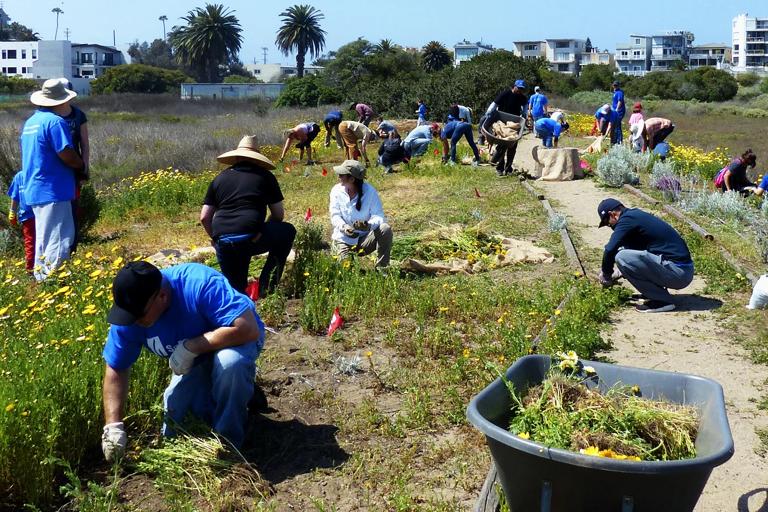
Volunteer groups along Nova Scotia’s eastern shore have been working steadily to restore damaged wetland areas that once played a crucial role in local ecology. Over the past season, participants removed debris left behind by winter storms and re‑graded sections of shoreline where erosion had accelerated. These early efforts laid the foundation for a wider restoration strategy aimed at protecting habitats that have steadily declined due to climate‑related pressures.
A major component of this year’s work involved planting native grasses and marsh plants selected specifically for their resilience in saltwater‑affected environments. Restoration teams partnered with botanists to choose species capable of stabilizing soil while creating suitable conditions for amphibians and migratory birds. Volunteers say the return of early vegetation already signals the potential for long‑term recovery if interventions continue consistently.
Environmental coordinators leading the project emphasized that wetland restoration is as much about community involvement as it is about ecological repair. Many residents living near degraded marshlands expressed concern about increasing storm impacts in recent years. Their participation in planting sessions and shoreline maintenance has strengthened local stewardship, allowing residents to play an active role in preserving nearby natural areas.
Wildlife specialists monitoring the site have documented encouraging signs, including the reappearance of small fish and invertebrates that rely on shallow tidal zones. These species are among the first to respond when shoreline conditions improve. Teams conducting surveys noted that healthier wetlands support a broader range of animals, including waterfowl that depend on the region during seasonal migrations.
Government agencies have also taken notice, providing grants to help expand restoration zones and develop new public-access pathways designed to limit environmental disruption. These investments aim to balance recreation with conservation, ensuring that visitors can enjoy the shoreline without harming sensitive habitats. Officials say the partnership between local volunteers and provincial teams reflects a growing recognition of wetlands’ vital role in climate adaptation.
The project’s long-term strategy includes continued monitoring to track water quality, sediment movement, and plant survival rates. Researchers involved in these assessments say wetlands act as natural buffers against extreme weather by absorbing floodwaters and reducing coastal impact. Data gathered over the coming years will help identify which restoration techniques offer the greatest resilience as sea levels rise.
Looking ahead, conservation leaders hope to expand similar initiatives across other vulnerable coastal areas of Nova Scotia. They believe the successes seen along the eastern shore demonstrate that community-driven restoration projects can make measurable environmental improvements. As climate pressures continue to challenge the province’s coastlines, these efforts may become a cornerstone of sustainable shoreline protection.