Environment & Nature
Nova Scotia Trail Renewal Project Aims to Boost Local Eco-Tourism
A provincial initiative is refurbishing dozens of trails across Nova Scotia, enhancing signage, adding safer viewing areas, and improving access points in hopes of supporting year-round eco-tourism and outdoor recreation.
By Jasper Whitmore • November 3, 2025
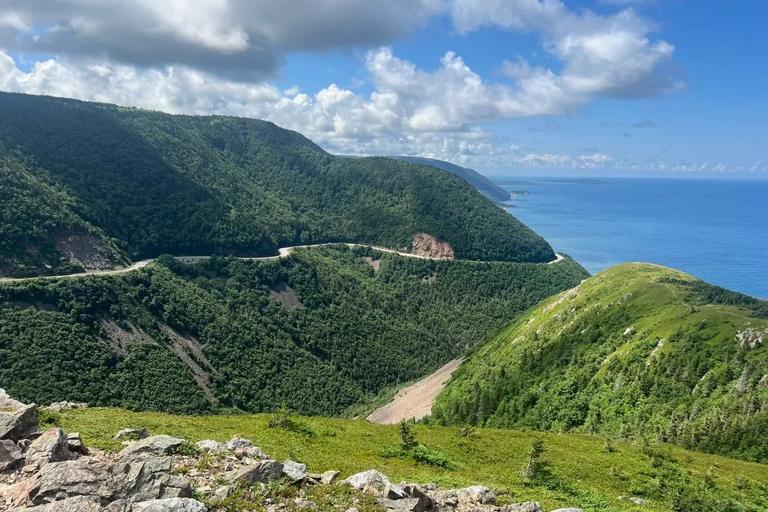
A sweeping trail renewal project underway across Nova Scotia is reshaping some of the province’s most scenic outdoor routes. Crews have spent months clearing debris, repairing aging footbridges, and re‑establishing pathways that had become difficult to navigate after years of erosion and seasonal wear. Officials say the upgrades are intended to make the trail network safer and more inviting for both locals and visitors seeking year‑round outdoor experiences.
One major focus has been on improving accessibility along high‑traffic sections of the trail system. Workers have installed widened boardwalks, added non‑slip surfacing, and re‑graded uneven areas to make routes more welcoming for hikers of varying mobility levels. These enhancements reflect a broader commitment to ensuring that eco‑tourism spaces remain inclusive and enjoyable for a diverse range of trail users.
Environmental specialists involved in the renewal project emphasize the importance of designing trails that minimize ecological disruption. New routing adjustments help guide hikers away from sensitive plant habitats, while reinforced drainage channels prevent runoff from damaging nearby wetlands. The team leading the effort says these environmental safeguards are essential for maintaining ecological balance as trail traffic continues to increase.
Local tourism organizations are closely watching the upgrades, noting that improved trails often lead to higher visitor turnout. Rural communities near popular routes depend heavily on seasonal tourism, and many business owners anticipate a boost once the renovations are complete. They believe that better signage, safer viewpoints, and enhanced rest areas will encourage longer and more frequent visits.
Volunteers have played a major role in the trail renewal process, particularly in more remote regions where small conservation groups maintain large stretches of land. These volunteers have cleared brush, removed fallen trees, and helped identify areas where infrastructural improvements are urgently needed. Organizers describe the community involvement as a testament to Nova Scotians’ strong connection to their natural surroundings.
A series of interpretive features is being added to highlight the cultural and historical significance of certain routes. Signs explaining Mi’kmaq heritage sites, old trading paths, and early settlement routes are being created to deepen visitors’ understanding of the landscapes they explore. Project planners say these additions transform the trail network into both a recreational and educational resource.
Safety has also become a key priority, prompting the installation of new railings, improved lookout platforms, and enhanced emergency access points. Officials note that as more hikers take advantage of wilderness routes, ensuring reliable communication and rescue infrastructure becomes increasingly important. Updated trail maps now include clearer markers indicating steep sections and areas prone to rapid weather changes.
Trail crews have faced logistical challenges, especially in coastal and high‑elevation areas where weather delays are common. Heavy rainfall in early autumn caused temporary closures along several routes as workers repaired washouts and reinforced footpaths. Despite these setbacks, team leaders say the project remains on schedule, thanks to coordinated efforts across multiple municipalities.
Partnerships with outdoor clubs and conservation organizations have expanded the project’s scope. These groups have provided trail‑use data, environmental assessments, and volunteer labor that help inform long‑term maintenance plans. Their contributions ensure that upgrades are tailored to real‑world usage patterns rather than relying solely on administrative projections.
Community engagement sessions held earlier in the year brought forward numerous suggestions from residents who frequently use the trails. Among the most requested features were additional scenic lookouts, more frequent rest stops, and improved winter maintenance to make routes safer during icy conditions. Several of these ideas have already been incorporated into final design plans.
Looking ahead, planners hope the renewed trail network will support sustainable eco‑tourism for decades to come. By balancing recreational access with environmental responsibility, they aim to create spaces that withstand increased foot traffic while preserving the natural beauty that defines Nova Scotia’s outdoor heritage. Officials believe the project will serve as a model for future trail initiatives across the province.